











Home / Blog / How Can Climate Risks for Buildings and Campuses Feed into Maintenance Plans?
Yörünge Kurumsal Blog
How Can Climate Risks for Buildings and Campuses Feed into Maintenance Plans?
Mapping climate risks alone does not turn them into facility action. Connecting risks to buildings, equipment and services helps define maintenance tasks, owners and records.
What question does the new European agenda raise?
On 27 October 2026, the European Commission presented the EU Framework for Climate Resilience to strengthen Europe’s ability to anticipate, prepare for and manage climate risks. For facility managers, the practical question is which building, equipment and service a particular risk may affect. The announcement does not create a direct new obligation for every organisation in Türkiye. The approach below is a proposed starting model for connecting risk information to asset records and maintenance.
Identify services that must continue
Start with critical services: laboratory conditions, public service applications or a production process may have different priorities. Map each service’s dependence on power, water, communications, access routes, cooling and staff. Check whether backup systems share a single point of failure. Service users should explain what an interruption means and which alternatives are possible.
Link risks to mapped assets
Match building and equipment records to locations, then add floor level, entrance elevation, use and access conditions. An electrical room’s location and its supply route are separate questions; a data room also depends on cooling and maintenance access. Record each data source and last inspection date. Treat an old drawing differently from a location verified on site, and turn missing information into data collection tasks.
Turn each risk into an inspection task
A general statement such as “flood risk” gives maintenance teams little direction. Specify the asset, inspection purpose, expected photograph, drawing, observation and any specialist assessment. Assign an owner, due date and closure criteria. Qualified specialists must decide whether physical intervention is needed. Completing a checklist does not prove resilience under every climate condition.
Connect risk, work order and evidence digitally
Use a shared asset identifier so the risk assessment, work order and completion evidence appear together. A small pilot with critical assets can start in existing systems. Define mandatory fields and approval roles: field staff record observations, technical staff evaluate them, managers set priorities. Keep a change history so later decisions can be traced to their evidence.
Make prioritisation reasons visible
Assess service importance, existing protection, uncertainty and feasibility. Explain any score; a simple ranking cannot replace detailed engineering. Where uncertainty is high, further inspection may be the first task. Budget discussions should consider continuity of service and operating needs as well as equipment costs.
Update the plan with exercises and incident records
Use scenario exercises to check communications, access and alternative working arrangements. After an incident, record missing information, delayed tasks and assumptions that failed, not only damage. Feed those findings into the next maintenance and data collection plan.
Yörünge Kurumsal can connect sustainability roadmaps, GIS and urban data, decision support, field data capture and software integration to this work. The goal is a system in which every significant climate risk has an owner and a trackable task.
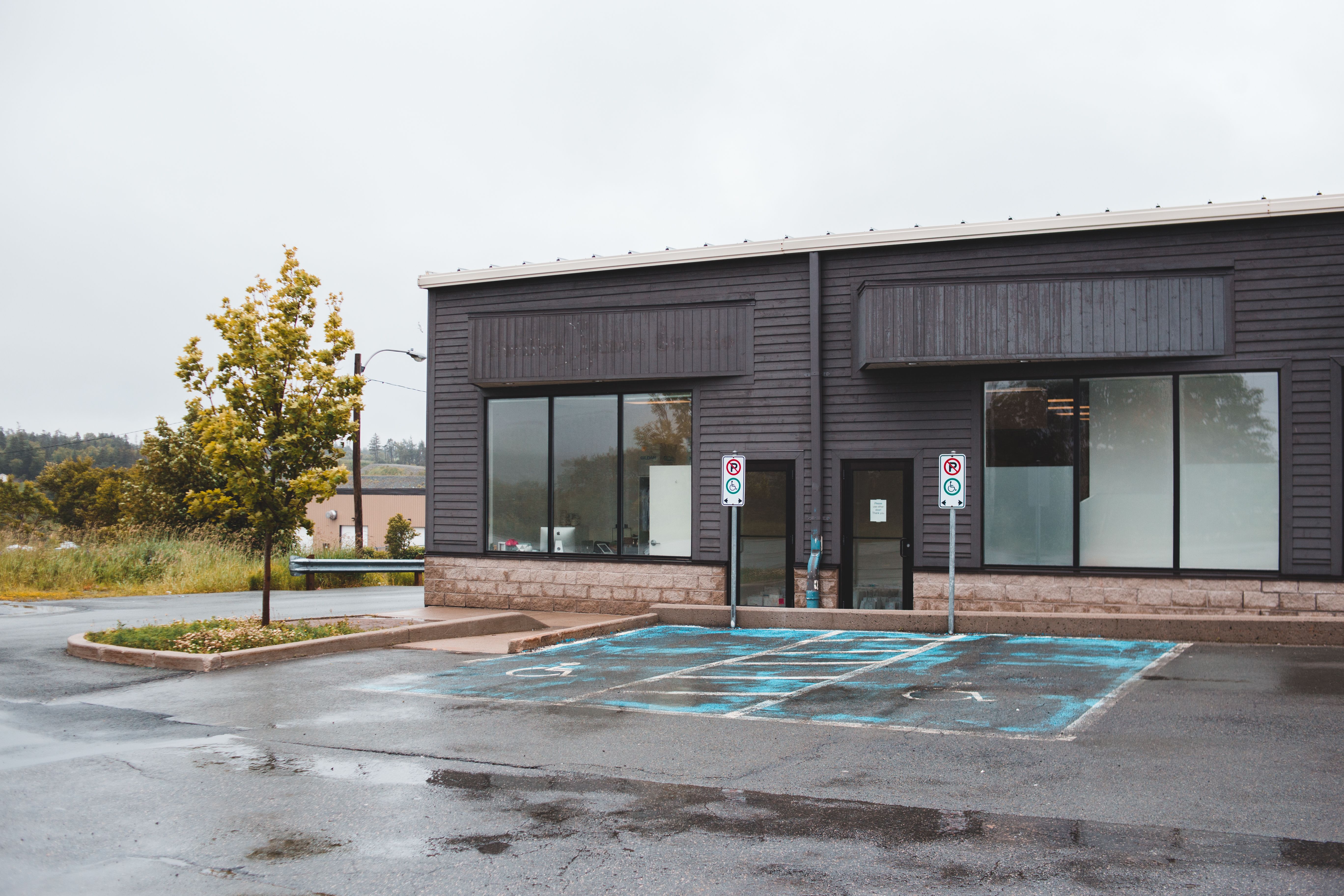
European Commission announcement · Photo: Erik Mclean / Pexels. The maintenance workflow is an editorial recommendation, not a legal requirement of the EU framework. The photograph is illustrative and does not document a disaster or a Yörünge project.