













Home / Blog / Does Replacing a Device Mean Replacing the Software? Continuity in IoT Integration
Yörünge Kurumsal Blog
Does Replacing a Device Mean Replacing the Software? Continuity in IoT Integration
Replacing a sensor or controller can create unexpected work in monitoring software. Clear records of device data, connections and behaviour make changes easier to manage.
The current interoperability agenda
W3C announced on 21 October 2026 that its Web of Things Working Group would focus on IoT interoperability under a charter starting 14 September. These are work goals, not completed features. Thing Description 1.1 has been a W3C Recommendation since 5 December 2023. It describes device metadata and interaction interfaces without requiring all underlying protocols to be replaced.
Describe functions, not only the device name
Record brand and model, but also what the application reads and controls. For a temperature sensor, note unit, sampling frequency and behaviour when data is unavailable. Separate readable values from writable settings on controllers. Check physical and measurement requirements as well as software functions when comparing replacements.
Keep integration knowledge in shared records
Document connection methods, data fields and configuration steps rather than relying on one developer or field technician. Explain how credentials are managed without putting secrets in the document. Define role-based access and include sample data, interface descriptions and change information in procurement and acceptance requirements.
Check the new device against existing reports
Sending data does not mean old reports retain the same meaning. Units, value interpretation and timestamps may change. List affected indicators, calculations, alerts and historical comparisons. Record conversion methods and the device change date, especially in energy and water monitoring.
Pilot the change on a small scale
Test a limited point before replacing devices across the site. Define scope and acceptance criteria beforehand. Check normal data, disconnections, restarts and configuration changes. Test control functions only under conditions set by technical owners. Record scenarios, unresolved findings and the basis for rollout or rollback.
Consider shared descriptions as an option
W3C Thing Descriptions can express properties, actions and events in a common model. The description need not always reside on the device. A shared description does not make all equipment automatically compatible; existing infrastructure, vendor support and application needs still matter. Evaluate it in a pilot rather than adding a technology name to a specification without a use case.
Preserve history after replacement
Link the old device’s service period, the new device’s commissioning date and related records. Distinguish physical device identity from the identity of the measurement point. This helps preserve the meaning of historical data. Revoke obsolete device access and update its status. Yörünge Kurumsal can support field records, measurement integration, analytics and reporting to maintain continuity.
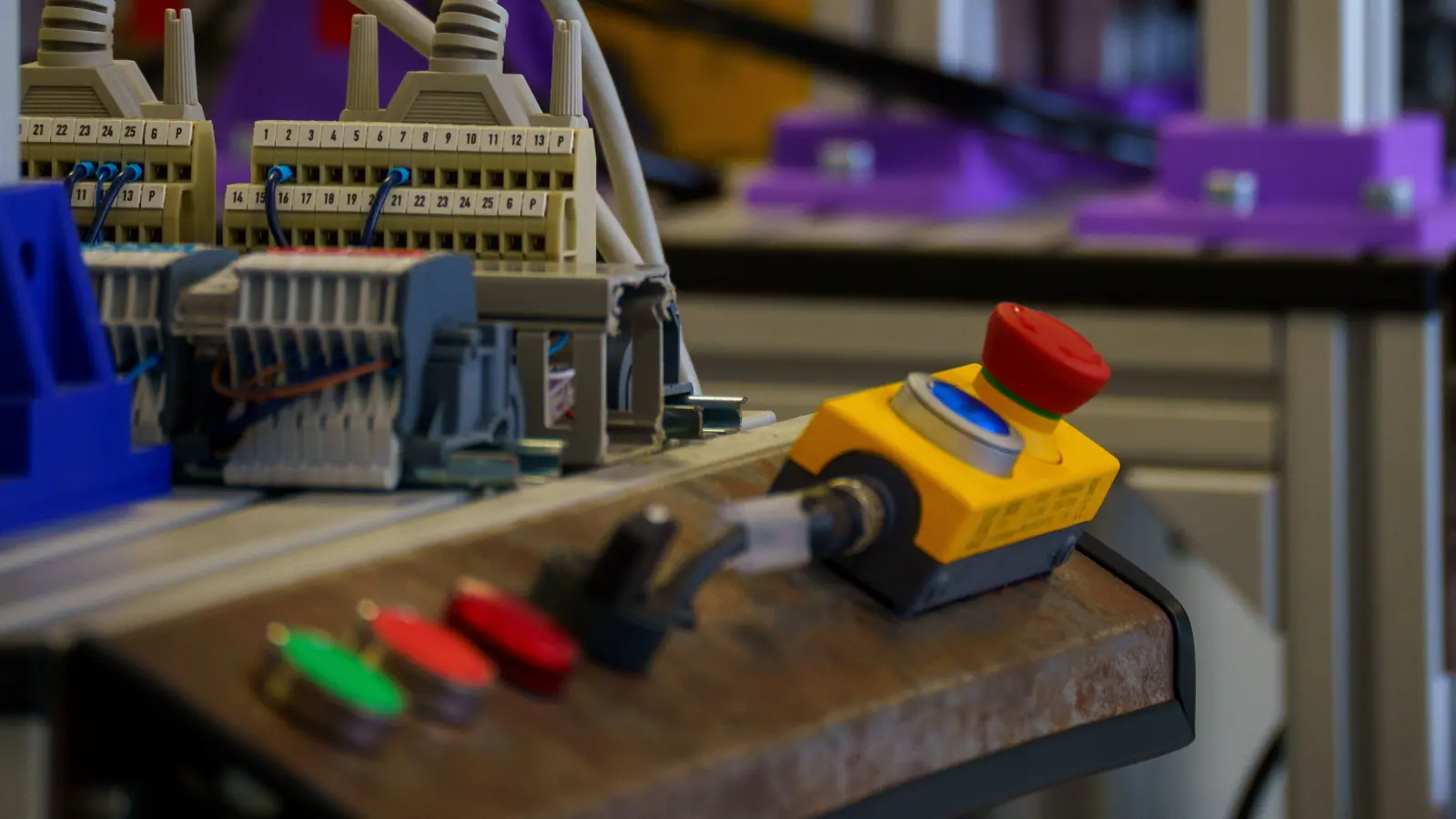
W3C announcement · Thing Description 1.1 · Maarten Ceulemans / Pexels. The pilot and acceptance steps are editorial recommendations. The pictured equipment is not claimed to use Web of Things.