













Home / Blog / BREEAM New Construction V7.1: From Design Intent to Actual Building Performance
Yörünge Kurumsal Blog
BREEAM New Construction V7.1: From Design Intent to Actual Building Performance
BREEAM New Construction V7.1 strengthens the link between measurable performance goals, commissioning and operational outcomes.
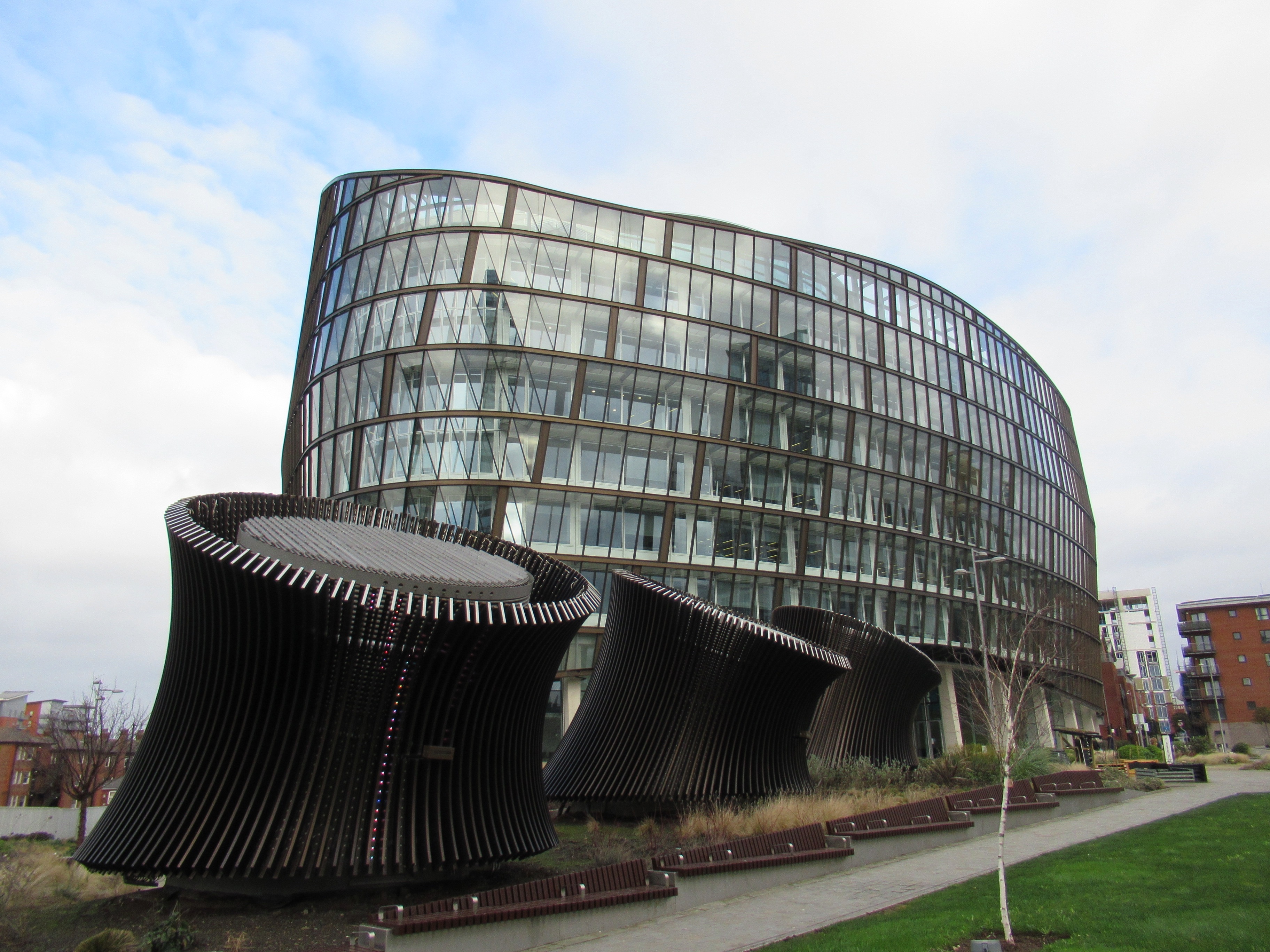
BREEAM New Construction V7.1 strengthens the link between measurable performance goals, commissioning and operational outcomes. In new projects, the energy model, system tests, responsibilities and performance data should be managed together from the start of design.
What does V7.1 emphasise?
Released on 26 August 2026, V7.1 is a targeted update to Version 7 rather than an entirely new scheme. BREEAM's announcement highlights stronger Project Brief and Design and Commissioning and Handover credits, with greater emphasis on predictive energy modelling and operational performance targets. V7.1 is the current version for new registrations; projects already registered under V7 may continue or upgrade at no cost.
Define measurable goals at the beginning
“An energy-efficient building” is too broad a goal to compare design options. Specify indicators, measurement methods, owners and review periods. Agree on modelling boundaries, indoor conditions, occupancy scenarios, sub-metering, commissioning scope, post-handover monitoring and data responsibilities. Keep the project brief, employer's requirements and technical specifications consistent.
Distinguish modelling from a guarantee
An energy model estimates performance under stated assumptions; actual use also depends on occupancy, weather, operating hours and equipment settings. Record the model version, climate data, schedules, temperature assumptions and efficiencies. Track the effects of design changes so the difference between the initial target and final design can be explained.
Plan commissioning and metering together
Commissioning is more than checking that individual devices turn on. Planned tests should show that mechanical, electrical, controls and metering systems operate together as intended. Define responsibilities, acceptance criteria and specialist competence before the end of construction. For every meter, document its system, location, unit, frequency and communications method. Use consistent names in field labels, automation and reporting; distinguish missing records from measured zeroes.
Link life-cycle carbon and operational evidence
BREEAM Version 7 considers embodied carbon, refrigerants and transport alongside operational carbon. A shared data dictionary can connect material quantities, environmental product declarations, energy models and equipment records, with a source and version for each entry. This supports life-cycle assessment and comparison of design changes.
Review the performance gap after handover
If measured performance differs from the forecast, investigate occupancy, operating hours, controls, equipment faults and data gaps separately. Give corrective actions an owner, deadline and verification method. A digital dashboard can bring energy data, commissioning records and open actions together, but must clearly distinguish estimates from measurements and document how each indicator is calculated.
Yörünge Kurumsal supports project teams with BREEAM preparation, building life-cycle work, energy measurement, mechanical-system efficiency and digital performance monitoring. Assessment and certification are carried out by the appropriately licensed and authorised parties. This editorial guide does not replace the current technical standard or an assessor's advice. The cover photograph shows One Angel Square in Manchester; it does not imply that the building was certified under V7.1.